19 Feb 2026
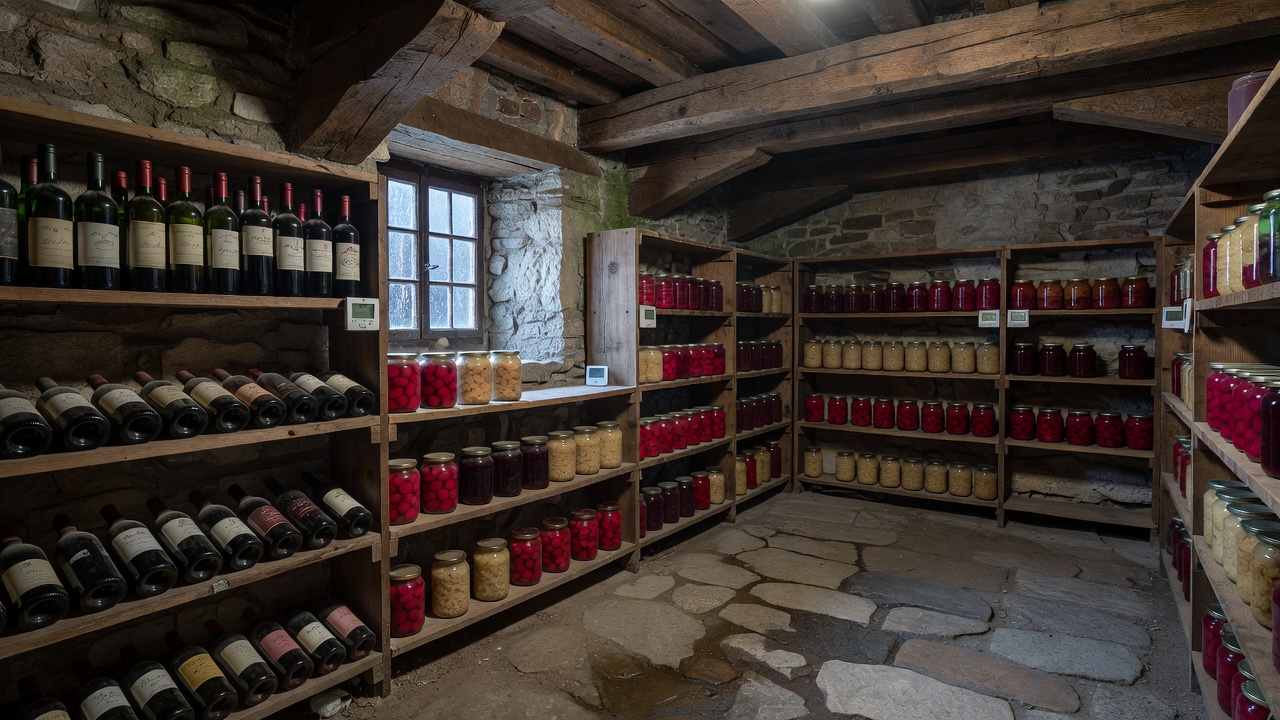
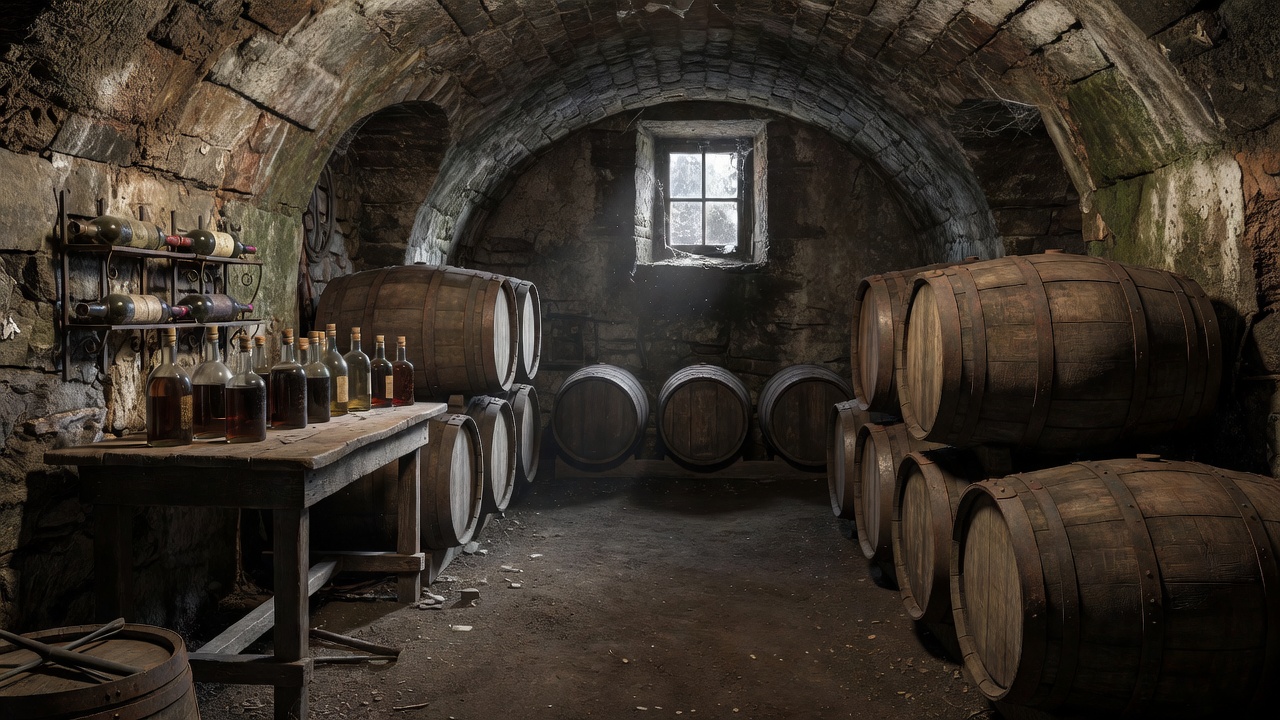
A Polish cellar serves as an ideal space for storing wine, preserves, and other temperature-sensitive items when properly maintained. Understanding the key elements to monitor ensures consistent conditions and protects your collection over time.
Temperature Stability
Maintaining a steady temperature between 10 and 15 degrees Celsius is essential for wine aging. Fluctuations can cause expansion and contraction in bottles, leading to seepage or spoilage. Check readings daily with a reliable thermometer placed at multiple points in the cellar. Seasonal changes in Poland require extra attention during summer heatwaves and winter freezes, so consider insulation upgrades or a cooling unit if natural conditions vary too widely. Avoid placing the cellar near heat sources such as boilers or direct sunlight.
Humidity Management
Relative humidity levels between 60 and 80 percent prevent corks from drying out while avoiding mold growth on labels and walls. Use a hygrometer to track conditions regularly and adjust with a dehumidifier or humidifier as needed. In Polish cellars, damp winters often raise moisture levels, making ventilation important to circulate air without introducing sudden temperature shifts. Inspect walls and floors periodically for condensation or mildew signs that could affect stored items.
Monitoring Tools and Routine Checks
Digital sensors connected to smartphone alerts provide real-time updates on temperature and humidity, reducing the need for constant manual checks. Combine these with visual inspections every few weeks to spot pests, leaks, or structural issues early. Keep detailed logs of readings and any adjustments made to identify patterns over months or years. Proper lighting should remain minimal to avoid heat buildup, and shelving must allow air flow around bottles. These practices help sustain an effective Polish cellar environment for long-term storage success.