23 Feb 2026
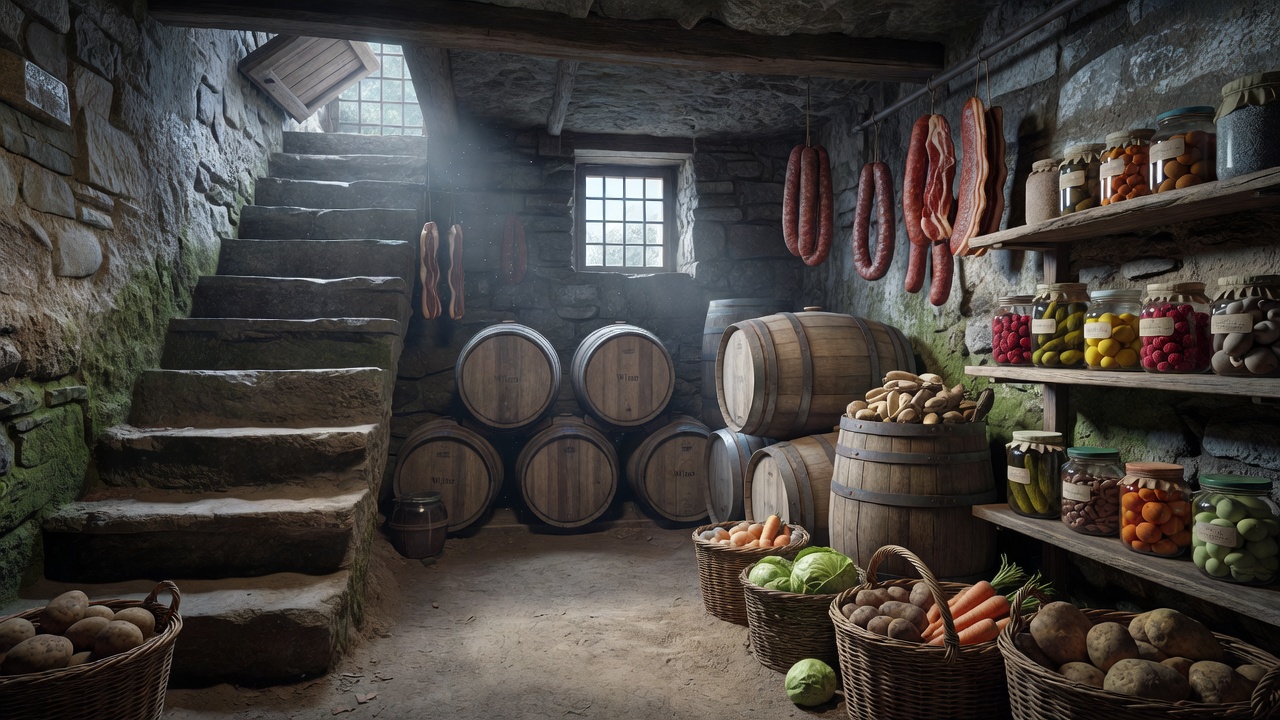
Polish cellars have served as essential storage spaces in Polish households for generations. These underground areas offer natural temperature control suited to the country's climate, allowing families to preserve food without relying on electricity.
Historical Context of Polish Cellars
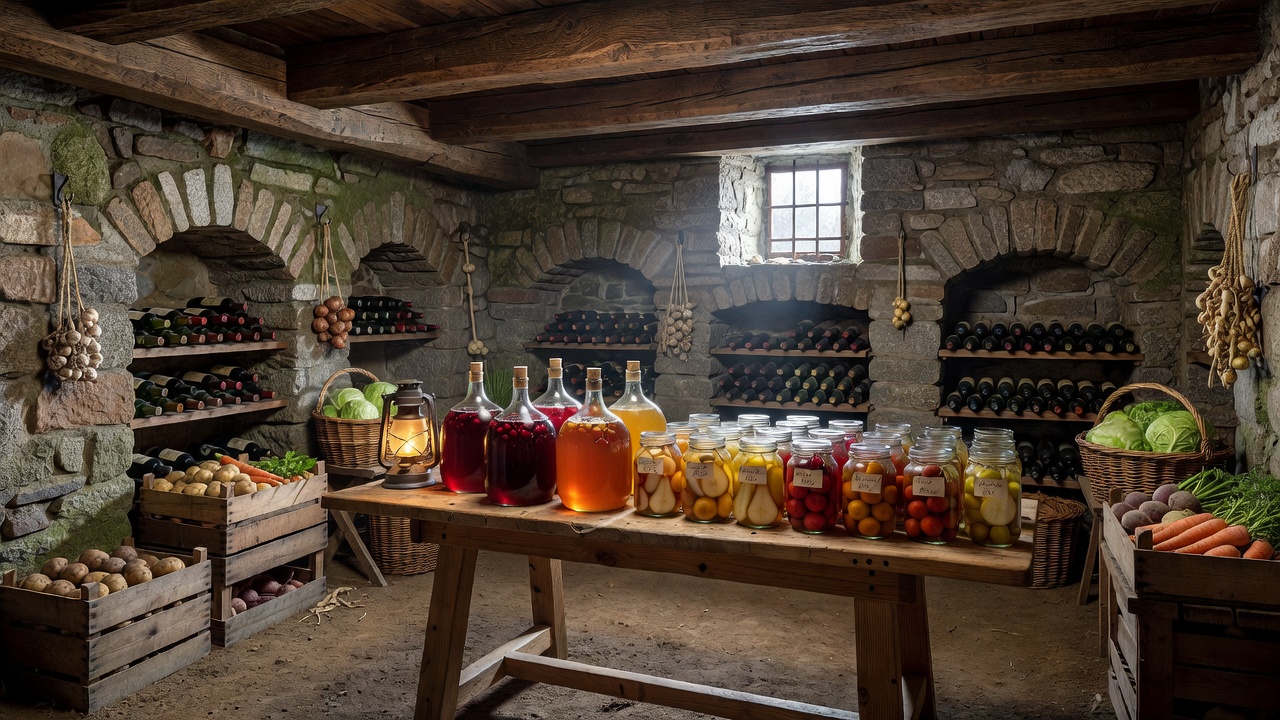
In earlier times Polish cellars protected potatoes cabbage apples and other staples through long winters. Built with thick stone or brick walls and often located beneath homes they maintained cool stable conditions year round. Rural communities depended on them for self-sufficiency as fresh produce was scarce during cold months. The design usually included wooden shelves and bins to keep items organized and dry. Over centuries these spaces became woven into daily routines and family traditions of food management.
Many older properties still feature original cellars that demonstrate practical engineering from past eras. Ventilation shafts and drainage systems helped prevent spoilage and excess moisture. Such features reflect a deep understanding of local conditions and resourcefulness.
Benefits in Contemporary Settings
Modern users value Polish cellars for sustainable storage of wine root vegetables and homemade preserves. The consistent cool environment reduces energy use compared with refrigerators and freezers. Homeowners appreciate the lower utility costs and reduced environmental footprint. In addition these spaces provide quiet areas for aging cheeses or storing seasonal harvests.
Contemporary adaptations often include better insulation and LED lighting while preserving the original structure. This blend of old and new allows cellars to meet current needs without losing their traditional character. People interested in heritage living find satisfaction in maintaining these functional rooms.
Maintaining and Using Polish Cellars
Regular upkeep ensures Polish cellars remain effective. Checking humidity levels cleaning surfaces and organizing contents prevent mold and pests. Proper containers such as crates or glass jars protect stored goods. With attention these areas can continue serving households for many years.
Overall Polish cellars combine historical value with practical advantages offering a timeless approach to food preservation and household efficiency.