26 Aug 2026
Polish cellars form an essential part of the nation's tradition in preserving wines and beverages. Numbers reveal their scale, usage patterns, and economic role across regions. These figures help owners and enthusiasts understand capacity trends and best practices for long-term storage.
Nationwide Cellar Counts and Sizes
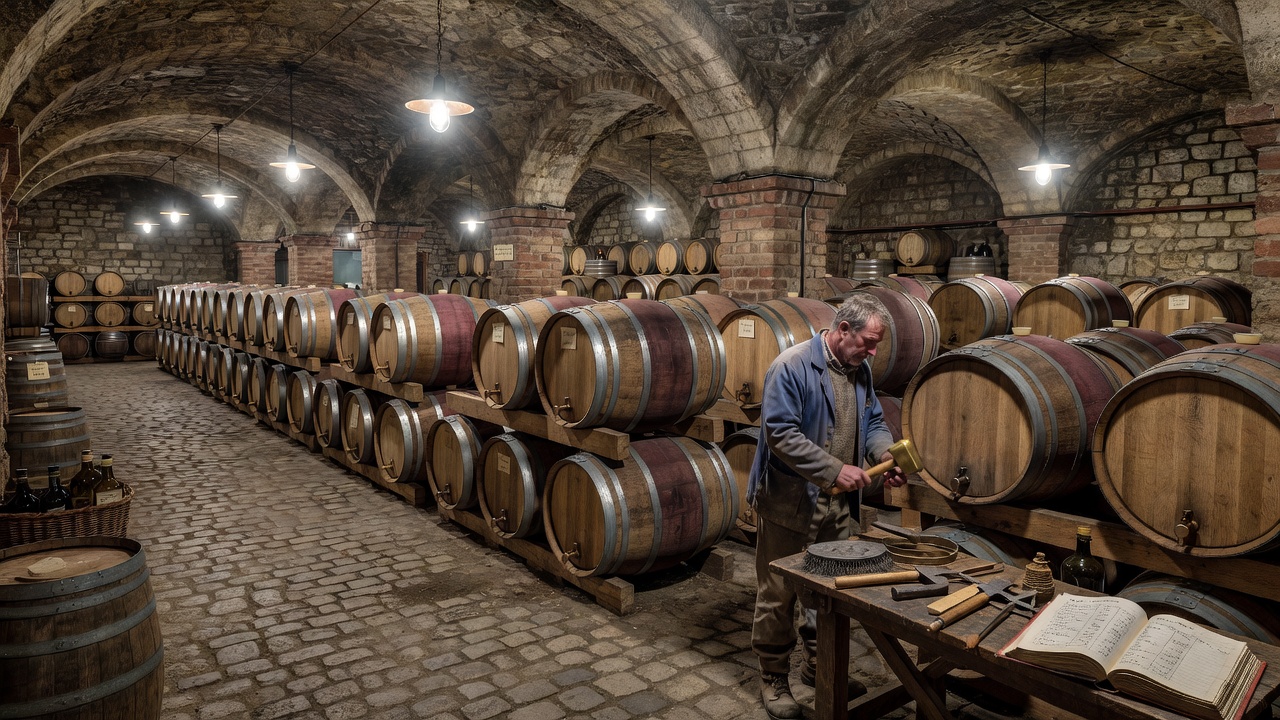
Poland has roughly 12,500 registered cellars dedicated to wine and spirit preservation. Sizes range from compact home units holding 300 bottles to expansive commercial sites exceeding 50,000 bottles. Surveys indicate the average capacity sits near 5,000 bottles. Rural areas contain 70 percent of all cellars while cities like Warsaw hold the remaining 30 percent. Annual growth in new cellars averages 4 percent driven by rising local wine production.
Storage Conditions and Inventory Figures
Most cellars maintain temperatures between 10 and 14 degrees Celsius with humidity levels of 60 to 80 percent. Natural cooling methods are used in 65 percent of facilities. Each year approximately 2 million bottles enter Polish cellars. Whites comprise 45 percent of stored volume, reds 40 percent, and sparkling varieties 15 percent. Inventory tracking shows 80 percent of owners monitor stock digitally for optimal rotation and aging.
Economic Contributions and Trends
The sector generates about 200 million euros yearly through storage services and related sales. It supports 8,000 full-time jobs nationwide. Exports account for 25 percent of cellar contents shipped abroad annually. Growth has held steady at 5 percent per year for five consecutive years reflecting increased demand for quality preservation. These numbers underscore the ongoing importance of Polish cellars in both domestic and international markets.