9 Sep 2026
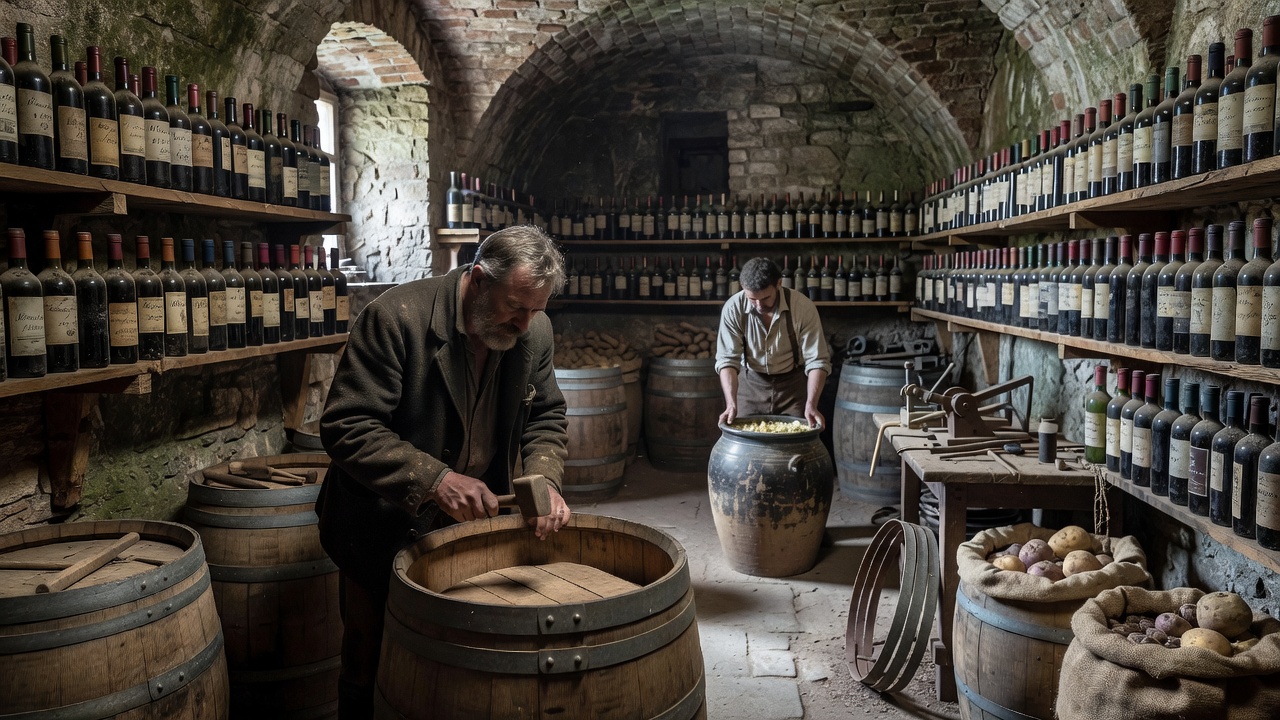
Polish cellars represent centuries of practical knowledge in food preservation and wine storage. The people who create and maintain these spaces bring specialized skills and deep respect for local methods.
Builders Who Shape Underground Spaces
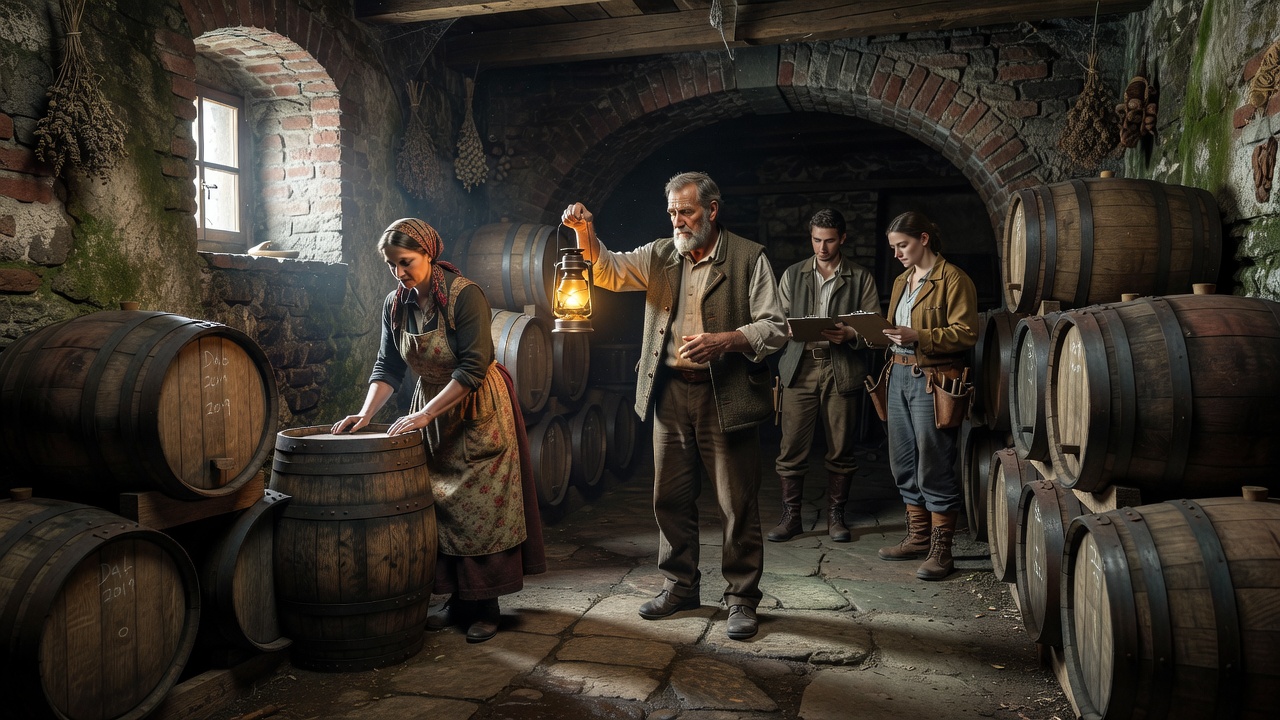
Skilled masons and carpenters design cellars using stone, brick, and timber suited to Poland's varied soils. They calculate humidity levels, ventilation paths, and temperature stability before any digging begins. Many learn their craft through family apprenticeships rather than formal training. These builders often work in small teams, passing techniques for waterproofing and insulation that protect stored goods through harsh winters and warm summers.
Attention to detail matters most when choosing sites and materials. A well-built cellar can last generations with minimal repairs. Local knowledge of geology helps avoid common problems such as flooding or structural cracks. Today some builders combine traditional practices with modern tools to improve efficiency while keeping the original character intact.
Enthusiasts Who Collect and Share Knowledge
Amateur historians, home winemakers, and preservationists form active networks around Polish cellars. They document old recipes for pickled vegetables, study regional wine varieties, and restore abandoned structures. Many maintain personal cellars filled with family vintages and seasonal produce. Regular gatherings allow members to exchange tips on temperature control, bottle aging, and pest prevention.
These individuals often publish simple guides or host workshops for newcomers. Their focus stays on practical results rather than commercial gain. By recording measurements and outcomes, they create reliable references that help others avoid costly mistakes.
Communities Sustaining Living Traditions
Rural villages and small towns keep cellar culture alive through shared labor during construction or harvest seasons. Neighbors assist one another with heavy tasks such as moving stones or installing doors. This cooperation strengthens social bonds while ensuring every household has access to reliable storage. Younger residents learn by observing and participating, guaranteeing the skills survive into future decades.
Respect for these spaces extends to careful use. People avoid overcrowding shelves, monitor air quality, and rotate stock to maintain quality. Such habits reflect a long-standing understanding that cellars function best when treated with consistent care and attention.