4 May 2026
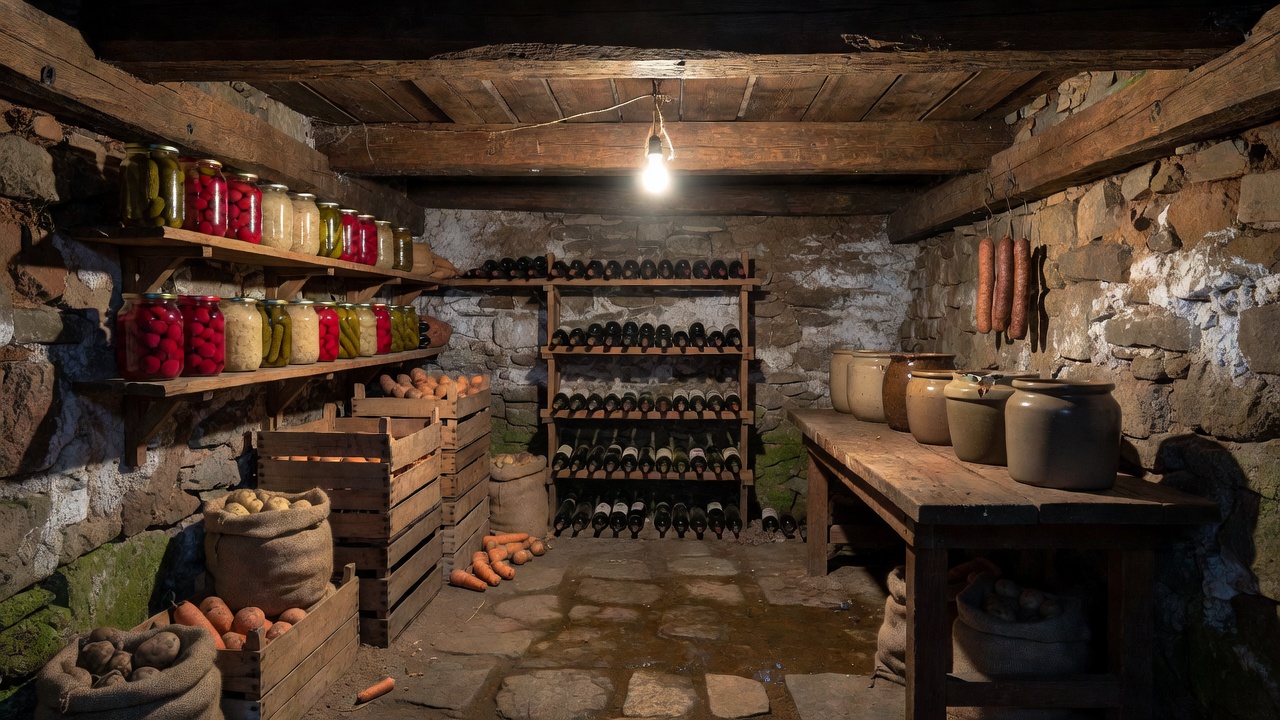
A Polish cellar serves as a reliable underground space for storing food, wine, and other perishables in a controlled environment. These structures have long supported households by maintaining stable temperatures and humidity levels that extend shelf life without modern refrigeration. Proper design focuses on natural insulation from the earth and strategic ventilation to prevent spoilage.
Historical Context of Cellars in Poland
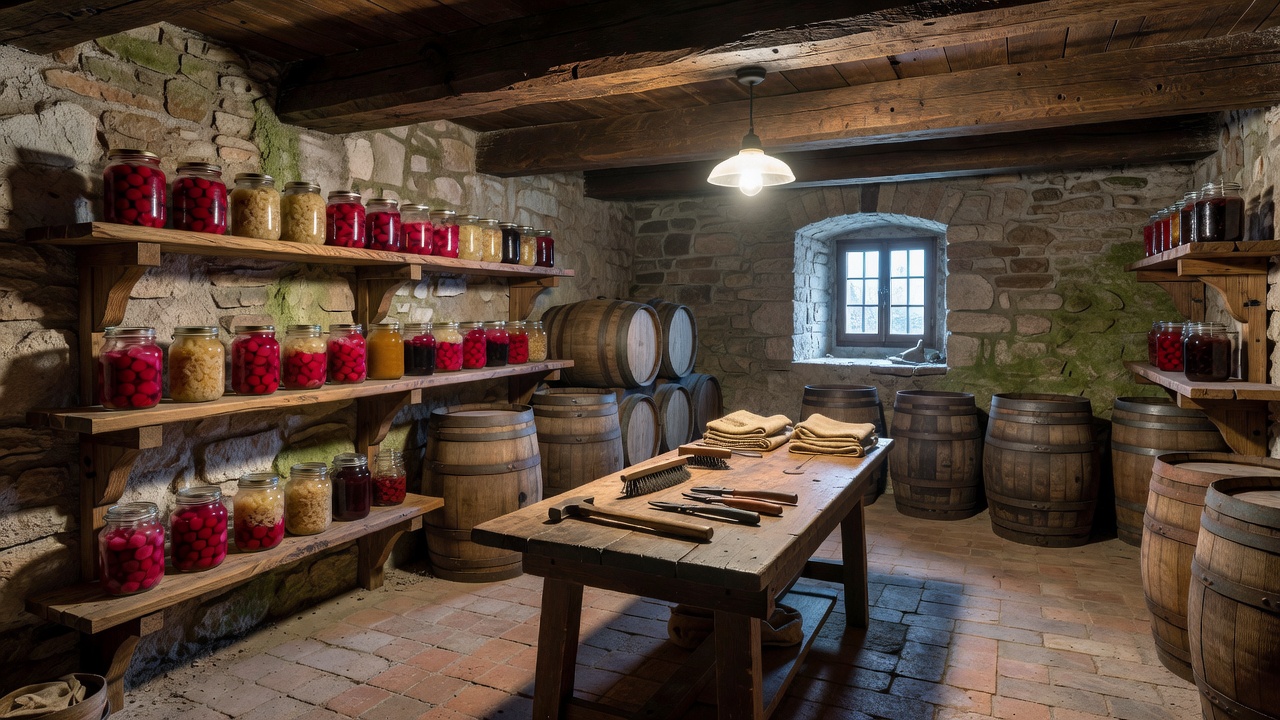
Traditional Polish cellars emerged from practical needs in rural areas where winters were harsh and summers warm. Families dug spaces beneath homes or outbuildings to keep root vegetables, fruits, and homemade preserves cool year-round. Stone or brick walls provided durability while earthen floors helped regulate moisture. This approach reduced waste and supported self-sufficiency in regions with limited access to imported goods.
Over generations, builders refined techniques such as adding drainage channels and wooden shelving to organize items efficiently. These methods emphasized simplicity and local materials, creating spaces that lasted decades with minimal upkeep. The design principles remain relevant for anyone seeking sustainable storage solutions today.
Core Elements of Effective Cellar Construction
Temperature control stands as the primary requirement, ideally holding steady between 10 and 15 degrees Celsius. Insulation from surrounding soil achieves this naturally, though additional layers of foam or clay can enhance performance in variable climates. Humidity should stay around 70 to 85 percent to avoid drying out wooden barrels or encouraging mold on stored produce.
Ventilation systems using passive air ducts prevent stale conditions and excess condensation. Position intake vents low and exhaust vents high to encourage gentle airflow. Flooring choices like gravel or packed earth allow moisture absorption while concrete offers easier cleaning. Lighting should remain minimal and indirect to discourage unwanted growth.
Practical Benefits for Contemporary Use
Modern adaptations of Polish cellar concepts deliver energy savings by lowering reliance on electric cooling units. Homeowners can store seasonal harvests, age wines, or keep bulk pantry items in optimal conditions. Regular monitoring with simple thermometers and hygrometers ensures consistent performance over time.
Maintenance involves periodic inspection for pests, cleaning of vents, and checking structural integrity. These steps preserve the space's functionality without complex equipment. When planned thoughtfully, such a cellar integrates seamlessly into residential properties and supports long-term food security.